How Assisted Living Communities Train Staff for Fire, Weather, and Medical Emergencies
When you start thinking about assisted living, your mind often jumps to dining programs, daily activities, or maybe the comfort of the apartment itself. All of those matter, of course, but there’s another piece that deserves just as much attention: how the community keeps you safe when the unexpected happens. Fires, storms, or sudden medical events can change a quiet day in seconds. And that’s where staff training makes all the difference.
Assisted living communities don’t just put locks on the doors or alarms in the hallways. They put in hours of preparation to make sure that if something happens, you’re not left guessing what comes next. Staff are drilled, coached, and supported so their responses are calm, quick, and effective.
In this article, we’ll walk through the major areas of emergency training: fires, severe weather, and medical situations, and then turn to what you should ask when you visit a community.
Why Emergency Training Matters in Assisted Living
Emergencies are different in an assisted living setting than in a home. In a community setting, some of the residents are using a walker or a wheelchair. Some residents may be recovering from surgery and are unable to move quickly. Others may have health issues that make moving at a faster rate impossible. And some live with some form of memory loss that may cause them to become confused or panic if someone sets off an alarm or rushes them.
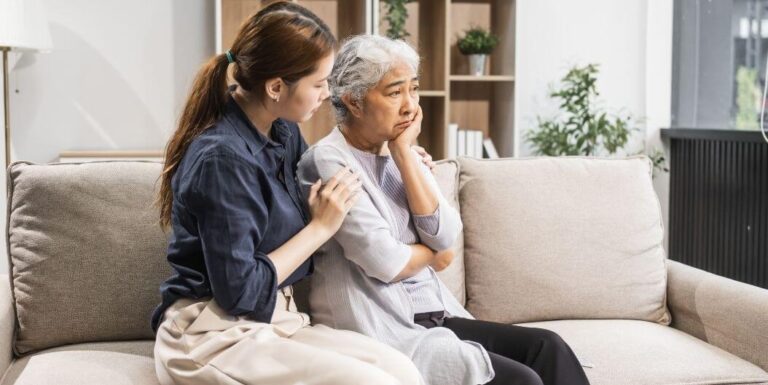
This is why staff training is not just recommended; it’s vital for safety. If staff know exactly what they are to do, there will be less chaos, and therefore less fear for the residents. They can be assured, rather than scared and worried about their safety. And the most important part, they quickly help residents to safety, as just getting them to safety is not enough, it must be done in a cautious way.
Fire Safety and Evacuation Preparedness
Fires are rare, but every community prepares as if one could happen tomorrow. Staff learn how to move residents to safe areas quickly, using wheelchairs, evacuation chairs, or even special sleds designed for bed-bound individuals.
Training covers:
- Recognizing alarms and fire panel alerts.
- Using designated exit routes that are wide enough for walkers and wheelchairs.
- Guiding residents calmly, using clear and simple directions.
- Keeping track of who has been evacuated so no one is left behind.
It’s not just about drills, though those matter too. Staff are taught to remain calm because residents take their cues from the people around them. A calm voice guiding someone to a safe zone does more than get them out; it lowers anxiety in the moment.
Weather-Related Emergency Training
Different regions face different weather challenges. In some states, for example, staff practice tornado drills, guiding residents into interior hallways or reinforced safe rooms. In coastal areas, hurricanes may mean preparing for temporary relocation or stocking extra supplies. In northern states, snow and ice storms are the focus, with attention on backup power and safe heating.
No matter the location, training usually includes:
- Knowing the safest areas in the building for each type of storm.
- Preparing emergency kits with flashlights, water, and basic supplies.
- Ensuring residents who rely on medical equipment have backup power available.
- Practicing moving groups of residents efficiently, without rushing or frightening them.
One practical example: during a tornado drill, staff guide residents to an interior hallway, closing fire doors behind them to create a protected shelter. The repetition makes it easier to act quickly when it’s not a drill.
Medical Emergency Response
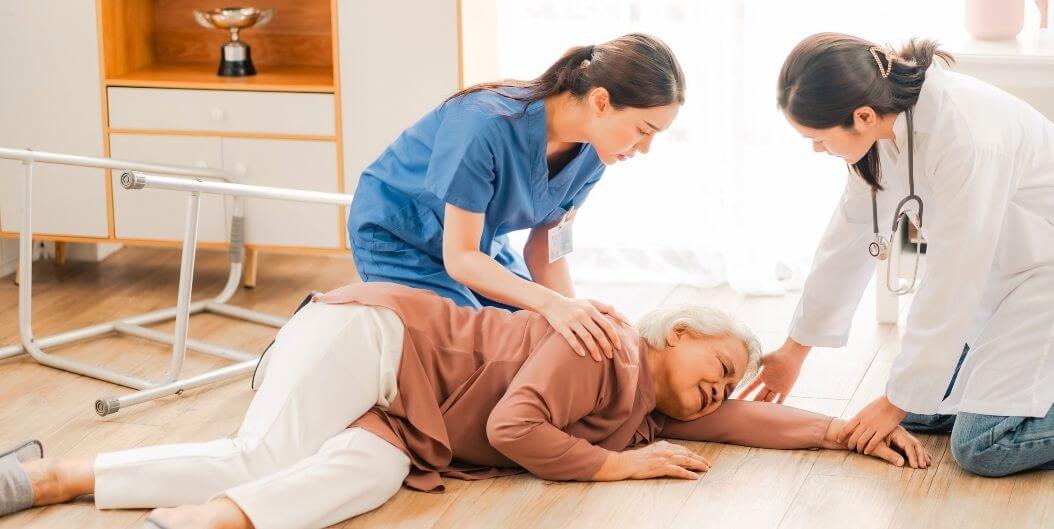
Medical situations are among the most common emergencies in assisted living. A resident may have chest pain, faint, or suffer a fall. For staff, training in CPR, first aid, and AED use is standard. They practice not only the technical steps but also how to stay composed while waiting for EMS.
Key parts of medical emergency training include:
- Recognizing early warning signs and calling for help immediately.
- Using CPR and AEDs confidently until medical professionals arrive.
- Communicating with emergency responders about the resident’s condition and medical history.
- Offering reassurance so the resident feels supported, not abandoned, in a frightening moment.
The presence of licensed medical staff or medically trained supervisors often adds another layer of safety, giving families confidence that care is more than basic.
Ongoing Drills and Education
Emergency training does not occur once and then sit on a shelf. Communities practice their drills regularly, either once a month or once a quarter. They practice fire drills so that staff know what route they will take to evacuate by heart. They practice severe weather drills in the same hallways or safe rooms where residents will go in a storm.
Refresher courses for first-aid or CPR are also required so their skills stay current. The thought is simple: the more staff drills, the less stopping and thinking they have to do in the midst of a crisis, and their response is second nature. And even though residents are not typically fully engaged in the drills, depending on mobility or memory challenges that cause anxiety, many communities modify them so that residents can acclimate to the process without distress.
Communication With Families During Emergencies
For your family, one of the biggest concerns is how will they know what’s happening if something goes wrong? There’s staff training for all the communication processes. This might involve an automated call system, text updates, or a personal call from the community.
Your family may receive update messages if severe weather means shelter-in-place is required, if there’s a drill for the entire building, or if you need a medical transfer to the hospital. The intent is to keep families informed, instead of in the dark.
For example, during a power outage, some families may have received the first update message within the first hour, around what backup power systems are in use, and the condition of the residents. This level of proactive communication makes all the difference.
What You Should Ask When Touring Assisted Living Communities
When you are touring the community, go ahead and ask directly about safety and training. The answers to these questions will tell you a lot about how prepared the staff is: How often do you conduct fire or weather drills? Are staff trained in CPR and first aid? What emergency systems are in place (for example: backup power, food, and water supplies)? How would your family be notified in an emergency?
Consider not only the answers, but the depth of confidence in the answers. Detailed, confident responses demonstrate that the training is not just a piece of paper to be filed, it is all woven into the culture of the community where staff work every day.
Want to See How The Harrison of Wildwood Keeps Residents Safe in Any Emergency? Schedule Your Visit Today
At The Harrison of Wildwood, safety is built into everything, not treated as a separate checklist. Staff are trained in fire evacuation tailored to seniors’ needs, weather preparedness for regional risks, and medical emergency response with CPR and AEDs.
We do drills so that these skills remain fresh. Moreover, we even have communication systems, so the family hears directly if something happens. And we emphasize safety with dignity as we instruct calmly, with respect and reassurance until residents are accommodated.
Our commitment is to more than regulatory compliance. We want to ensure that residents are comfortable, families are informed, and our staff are ready to protect the people in their care.
When you choose assisted living, you’re not just choosing a new home. You’re trusting a team to handle the unexpected with skill and compassion. That’s why emergency training is so important. It’s what turns a frightening moment into a safe outcome.
If you are thinking about making a move, visit the community in person. Ask to learn the community’s training programs, and to see the employees role-play out the daily activities, observing them with that calm confidence that happens when you are prepared.
Schedule a tour of The Harrison of Wildwood today, meet the staff and see how emergency preparedness offers reassurance in a much different way to residents and families.